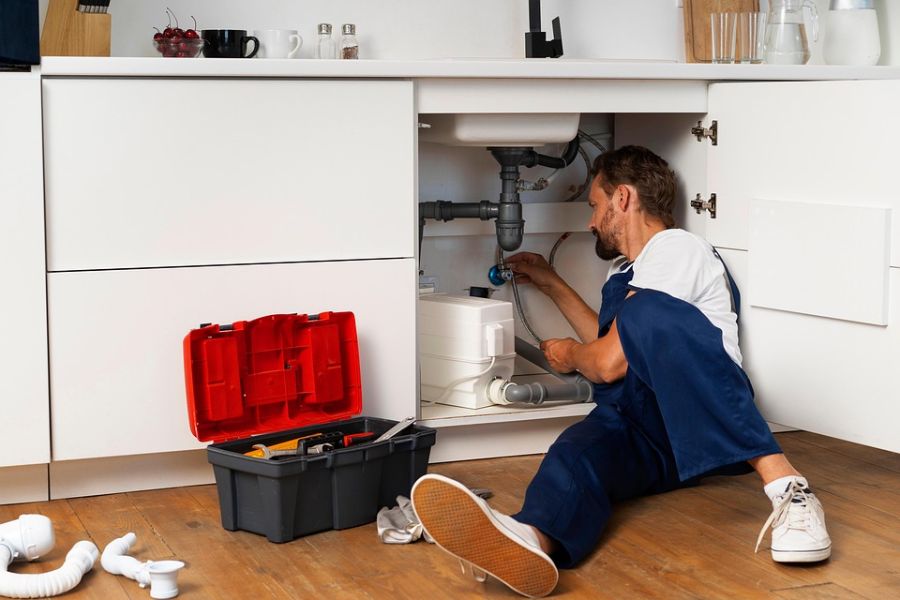
The emergency plumber has come and gone. Your home is safe but damaged. Now comes the battle with your insurance company. They’ll scrutinise every detail, question every cost, and look for any excuse to minimise their payout. But knowing the system, understanding what insurers actually want to see, and following the right steps can mean the difference between full compensation and eating thousands in costs yourself.
Start Before the Plumber Leaves
Documentation begins the moment disaster strikes. Not after. Not tomorrow. Right now.
Take photos of everything. The burst pipe, the water damage, your soggy carpets, the watermarks creeping up walls. Video works even better. Walk through each affected room, narrating what you see. “This is the kitchen, water came through here, you can see it pooling near the dishwasher.”
Get the plumber’s full details while they’re still there. Company name, registration number, engineer’s name. Ask for a detailed receipt showing exactly what broke, what they fixed, why it was necessary. Vague invoices that just say “emergency repair – £500” won’t cut it with insurers.
Some plumbers understand insurance claims. They’ll write reports using language adjusters want to see. “Sudden failure of compression fitting due to material fatigue” beats “pipe broke.” One suggests an accident, the other implies gradual wear your policy might not cover.
Request photos of the actual failure point before repair. Insurers love seeing the specific pipe joint that failed, the corroded valve, the split in the copper. This proves you’re not inventing problems.
The 24-Hour Window That Matters
Most policies require notification within 24-48 hours of discovering damage. Not filing the claim, just telling them something happened.
Call your insurer immediately. Even at 3 AM. That first call gets timestamped, proving you acted promptly. The Financial Ombudsman Service notes that delayed notification is the second most common reason for claim disputes.
Evidence Your Insurer Wants
Create a damage inventory immediately. List every affected item with approximate values. That ruined rug? Note the brand, when you bought it, what you paid. The warped laminate flooring? Measure the affected area in square metres.
Keep damaged items until the adjuster visits. Yes, even the mouldy carpet. Take photos, then store items safely if possible. Insurers can refuse claims for items they couldn’t inspect.
According to claims data from the British Insurance Brokers’ Association, claims with complete documentation settle 3x faster than those without. Adjusters hate chasing missing information.
Gather proof of ownership for expensive items. Receipts, bank statements, even old photos showing items in your home. That £2,000 Persian rug claim looks suspicious without evidence you owned it.
Writing the Claim Letter
Your formal claim needs structure and detail. Insurers process thousands of claims. Make yours easy to approve.
Start with facts. Date of incident, time discovered, immediate actions taken. Keep emotions out. “Water destroyed my grandmother’s irreplaceable photos” won’t help. “Water damage to 47 printed photographs stored in the living room cabinet” will.
List all damage categorically:
- Structural damage (walls, floors, ceilings)
- Furniture and furnishings
- Electronics and appliances
- Personal belongings
- Additional living expenses if you had to relocate
Include professional assessments. The emergency plumber’s report carries weight. If they noted additional risks or urgent safety concerns, include those exact words.
Navigate the Adjuster Visit
The adjuster visit determines everything. They’re not your friend, despite the friendly demeanor.
Prepare a walk-through route showing the worst damage first. First impressions stick. Starting with minor staining then showing destroyed flooring feels like exaggeration. Show the destroyed flooring first, minor damage becomes more credible.
Don’t accept the first assessment if it seems low. Initial settlement offers average 35% below eventual payouts after negotiation. The adjuster expects pushback.
Get their assessment in writing before they leave. Verbal promises mean nothing. If they won’t provide written confirmation, document everything discussed immediately after they go.
Fighting Rejections and Lowball Offers
Insurance companies reject first attempts reflexively. The Financial Conduct Authority found that 26% of initially rejected claims get approved on appeal.
Common rejection reasons hide opportunities. “Gradual damage not covered” might be challenged if you prove sudden failure. “Maintenance issue” might be disputed with evidence of recent servicing.
Never accept rejection without explanation. Request specific policy clauses they’re citing. Often, they’re misapplying terms or hoping you won’t challenge them.
Use the official complaints process. Insurers must respond within eight weeks. After that, the Financial Ombudsman Service can intervene. They overturn insurer decisions in roughly 30% of cases.
Consider professional help for large claims. Loss assessors work for you, not the insurance company. They typically charge 10% of settlement but often secure 40-50% higher payouts.
Timeline Tricks Insurers Use
Insurance companies profit from delays. Every day they hold your money earns them interest.
The “investigation period” often stretches unnecessarily. Push for specific timeframes. “We’re investigating” means nothing. “We’ll have an answer by Friday” creates accountability.
Watch for missing document games. They claim you haven’t provided something, buying weeks of delay. Keep copies of everything submitted with proof of delivery.
Some insurers request unnecessary information hoping you’ll give up. Your medical records for a plumbing claim? Push back. Ask why it’s relevant to pipe failure.
The Association of British Insurers’ own guidelines suggest most emergency claims should settle within 30 days. Remind them of their industry standards.
Frequently Asked Questions
Can insurers refuse claims for not using their approved contractors?
No, you can use any qualified professional in genuine emergencies. They might question costs but can’t reject claims solely for using your chosen emergency plumber.
How long do I have to file a claim?
Most policies require notification within 30 days of discovery. But immediate notification strengthens your position significantly.
What if I can’t afford repairs before the claim settles?
Many insurers offer interim payments for urgent repairs. Request emergency funding to prevent further damage.
Should I accept the first settlement offer?
Rarely. Initial offers assume you’ll negotiate. Counter with evidence supporting higher amounts. Most insurers have authority to increase offers by 20-30% without additional approval.
The insurance company counts on you giving up. Don’t let them win.
Featured Image Source: https://pixabay.com/photos/man-plumber-plumbing-repair-8689628