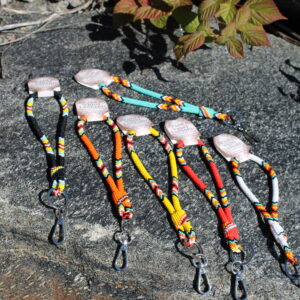
Fashion cycles through trends faster than most people track. But certain pieces hold weight that outlasts seasons. Indigenous jewelry lives where cultural identity crashes into modern style, and the conversation’s shifted completely over the past decade. Not just shifted. Transformed.
Indigenous Artisans Shaping Contemporary Design
Cultural Expression Through Adornment: Native jewelry means more than decoration, though plenty of people miss that part. Each piece reflects knowledge passed through families across generations. Beadwork patterns carry stories you won’t find written down anywhere. Silver techniques mirror methods refined over centuries. Each maker adjusts them slightly when learning, adding their own touch while respecting what came before. Indigenous designers create contemporary work by translating heritage into forms speaking to today’s wearers. Not stripping out ancestral practices to make things more “marketable.”
Modern Platforms for Traditional Skills: Indigenous designers land collaborations with mainstream brands now. Took long enough. The partnerships that work respect boundaries, though. Some artisans connect with fashion houses that grasp the gap between appreciation and appropriation. Others build independent brands controlling their narratives from start to finish. The shift matters because it pushes Canadian native crafts beyond aesthetic inspiration grabbed without permission, centring Indigenous voices in conversations about their own cultural work.
Authenticity in a Market Flooded with Imitations
The Problem with Mass Production: Cheap knock-offs flood every tourist market you walk through. Made overseas, usually. Zero connection to the cultures they’re mimicking. These pieces lack the tight beadwork, the quality materials, the cultural knowledge authentic jewelry holds. Buyers who can’t spot the difference end up with items breaking within months, contributing nothing to Indigenous communities who originated the designs being copied.
What Separates Real from Fake: Authentic pieces show hand finishing machines can’t replicate no matter how precise the programming gets. Beadwork sits perfectly even. Metalwork carries proper weight, including hallmarks identifying the maker. Quillwork displays techniques passed down through generations that you can’t teach through manuals. Real jewelry feels substantial when you hold it. Proper weight in your palm. Imitations feel hollow, lighter than they look like they should be. That difference registers fast once you’ve handled both.
Wearing Heritage in Everyday Life
Balancing Fashion and Cultural Respect: Questions about appropriation versus appreciation come up constantly for modern wearers. The line runs clearer than conversations make it sound:
- Purchase straight from Indigenous artisans or galleries or authentic websites verified as Indigenous-owned
- Learn what pieces mean culturally instead of grabbing whatever looks interesting
- Respect ceremonial items not meant for everyday wear, no matter how beautiful they are
- Credit makers when people ask about pieces you’re wearing
- Skip the mass-produced “Indigenous-style” options from companies with no Indigenous ownership
Building Connections Through Authentic Pieces: Wearing jewelry made by Indigenous hands means carrying forward cultural heritage that factories can’t duplicate. Each piece ties wearers to specific nations, particular techniques, and individual stories. That shifts jewelry from accessory into something holding meaning past appearance. Which pulls people toward handmade work to begin with.
Conclusion
Indigenous jewelry delivers fashion with actual substance behind it. Authentic pieces keep living artisans working, preserve techniques that might otherwise fade, carry cultural narratives into spaces where they matter. Choose makers controlling their own production. Understand what designs signify. Recognise that real craftsmanship costs more than imitations because the value runs deeper. Your purchasing choices determine which traditions survive, which artisans build sustainable practices.
Featured Image Source: https://wolfden.ca/wp-content/uploads/2025/10/IMG_9919-300×300.jpg