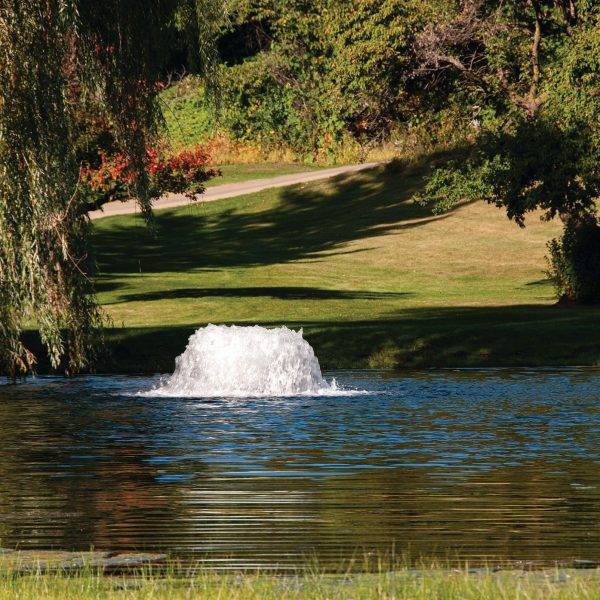
An un-aerated pond can be treacherous indeed. After one scorching week, the amount of oxygen gets depleted. The fish will end up floating upside down the next day. The pond will go from green to brown before stinking up the area. Most pond owners learn this the hard way. They assume still water is peaceful water. It isn’t. Still water is dying water, slowly. The signs build up quietly until one morning everything falls apart. Here is why pond aeration matters.
Fish, plants, and the good bacteria in your pond all need oxygen. When the surface stays flat, gas exchange almost stops. Waste builds up. Algae takes over. The whole system tips. Pond aeration keeps water moving. It pulls oxygen in and pushes bad gases like ammonia out. Do it right, and the pond takes care of itself most of the season. Do it wrong, or skip it, and you spend your weekends cleaning up problems that didn’t need to happen.
What Aeration Actually Does
Two main reasons:
- Dissolved oxygen is supplied to keep fish and microorganisms alive.
- Water is circulated so that there is mixing between the warmer and colder layers, preventing stagnation.
In deep ponds, during summer, stratification takes place. This results in oxygen depletion in the bottom layer. When the stratified layers combine suddenly (turnover), the fish may die due to the lack of oxygen.
Why Pumps Are the Heart of the System
Aeration can be done by fountains, diffusers, and waterfalls. All these methods require a pump, which pumps water or air into the tank. Other parts are simply pipes and decorations.
A weak pump means weak aeration. You might have a fancy fountain head sitting on top, but if the pump can’t move enough volume, the water trickles. That looks bad. It also doesn’t do much for oxygen. It is essential to understand how much flow is needed for pond size. The higher the flow rate, the more oxygenation takes place.
What To Look For In Wholesale Pond Pumps
Buying wholesale pond pumps makes sense if you manage multiple ponds, run a landscaping business, own a garden center that sells fountains, or maintain commercial water features. A few things to weigh before you commit.
- Flow rate matched to pond volume. A good rule is that the pump should circulate the full pond volume once every two hours for small ponds. Large ponds, of course, do not require this much flow.
- Energy use. Pond pumps run for months at a stretch. A cheap pump that wastes power will cost more in electricity than a better one costs upfront.
- Housing and impeller build. Cast iron rusts. Thin plastic cracks. Look for stainless parts where possible.
- Warranty terms. Wholesale suppliers often offer longer coverage, but read what the warranty actually covers.
- Replacement part availability. If an impeller dies in year three, can you get a new one, or do you buy a whole new pump?
One more thing. Get pumps rated for continuous duty. Some pumps handle short cycles only and will burn out if left running. That mistake is common and expensive.
Small Habits That Keep Ponds Healthy
Maintain the intake screens at regular intervals of a few weeks. Also, examine electrical cords to check their integrity after storms. Where it gets cold, replace the aerator for the winter season or take out the pump prior to freezing temperatures.
An efficient aeration system would seem dull. Water is circulating smoothly, healthy fish are around with no problems. That’s all there is to it. Put some extra effort into selecting a quality pump, and the pond will run itself most of the time.
Featured Image Source: https://www.fountaintechpumps.com/wp-content/uploads/2023/05/surfaceaerator-600×600.jpeg