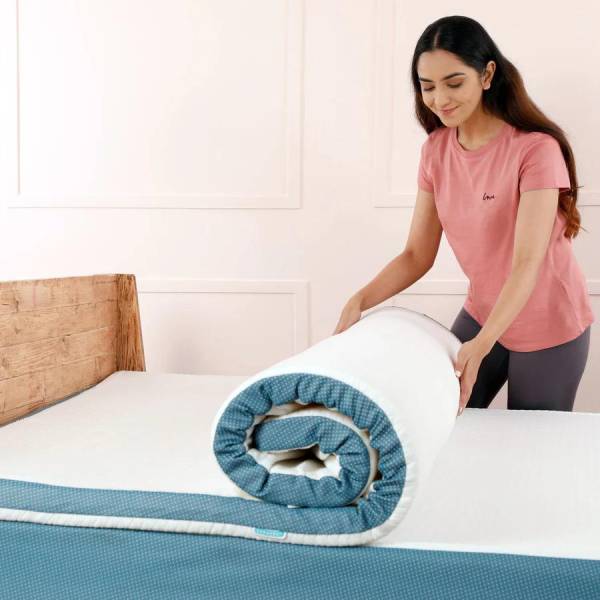
Poor sleep often stems from inadequate support rather than insufficient hours spent in bed. The human body requires specific conditions to achieve restorative rest. Each layer in a sleep system plays a distinct role in creating the optimal environment for muscle relaxation and spinal health. Understanding how these elements work together helps consumers make informed decisions about their bedding investments.
How Bedding Layers Work Together
Pressure Point Relief: A memory foam mattress topper serves as a strategic top layer that moulds to the contours of the body. This conforming property reduces stress on hips, shoulders, and knees by distributing weight evenly across the surface. The material responds to body heat and pressure, creating a custom fit that changes throughout the night as sleep positions shift.
Surface Comfort: The mattress topper acts as an interface between the sleeper and the firmer base mattress below. This layering approach allows for customisation without replacing an entire mattress. The top layer handles immediate comfort needs through contouring, whilst the base provides essential structural support. This combination addresses both surface-level comfort and deep tissue support requirements.
The Role of Spinal Alignment
Neutral Spine Position: Proper bedding maintains the spine’s natural S-curve throughout the night. When sleeping on the side, the mattress should allow hips and shoulders to sink just enough to keep the spine straight. Back sleepers need support that prevents the lower back from arching excessively. The right supportive layers prevent postural misalignment that leads to chronic pain.
Support Distribution: Different body zones require varying levels of support. Heavier areas like the pelvis need firmer resistance to prevent sagging. Lighter regions such as the waist benefit from gentle contouring. A well-designed sleep system accounts for these variations through strategic layering. This targeted approach reduces tossing and turning caused by discomfort in specific pressure zones.
Material Density and Sleep Quality
Foam Density Impact: The density of foam materials directly affects durability and support characteristics. Higher density foams provide more substantial support and last longer without developing body impressions. Lower density options offer softer initial comfort but may compress faster over time. Choosing the right density depends on body weight, sleep position preferences, and personal comfort needs.
Thickness Considerations: Topper thickness influences the degree of contouring and support modification. Common thickness ranges and their applications include:
- 5-7 cm toppers: Light comfort adjustment for newer mattresses
- 7-10 cm toppers: Moderate contouring for medium support needs
- 10+ cm toppers: Substantial modification for older or overly firm mattresses
The ideal thickness balances comfort enhancement with practical considerations like fitted sheet compatibility and ease of maintenance.
Conclusion
Achieving better rest requires understanding how each bedding layer contributes to overall support and comfort. The combination of a supportive base mattress with a conforming top layer creates conditions for proper spinal alignment and pressure relief. Investing in quality sleep surfaces pays dividends through improved energy levels, reduced pain, and better overall health. Consider evaluating your current sleep system to identify which layers might benefit from an upgrade.
Featured Image Source: https://urbanbed.in/cdn/shop/files/MG_9382_1.jpg?v=1735556090&width=900