Manufacturing floors operate on tight margins. A single unexpected shutdown can cost thousands per hour, yet many facilities unknowingly harbour weak points in their fluid transfer systems. These vulnerable spots rarely announce themselves until something goes wrong and they break down.
The Problem with Rigid Thinking
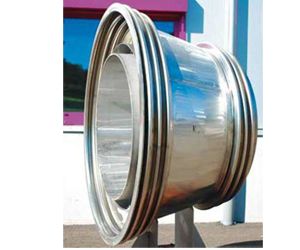
Thermal Expansion Creates Stress: Pipes and hoses expand when heated, contract when cooled. Standard rigid connections can’t accommodate this movement, which means the system absorbs stress at the junction points. Over time, Kompaflex bellows provide the flexibility needed to handle thermal expansion without creating stress fractures. This protective design keeps production lines running by preventing premature connection failures that would otherwise force emergency shutdowns and costly repairs.
Misalignment Demands Flexible Solutions: Equipment vibrates during operation. Foundations settle. Small misalignments between connection points grow worse as machinery runs through thousands of cycles. Quick-release coupling systems address this by allowing rapid disconnection when adjustments are needed, cutting maintenance time dramatically. The ability to service connections in seconds rather than hours means production schedules stay on track even when alignment corrections become necessary.
Access Issues That Delay Repairs
Traditional Connections Slow Response: When a hose needs replacement, technicians often spend more time disconnecting and reconnecting fittings than actually swapping the component. Standard threaded connections demand wrenches, careful alignment, and multiple turns to secure properly. The faster a team can isolate and address a problem, the less production time disappears.
Hidden Leak Points Go Undetected: Connections buried behind equipment or positioned in awkward locations don’t get inspected regularly. By the time someone notices reduced pressure ratings or fluid on the floor, damage has already occurred. Accessible connection designs and transparent protective sleeves make visual inspection part of routine walkthroughs rather than scheduled teardowns.
Seal Degradation Nobody Sees
Chemical Compatibility Mismatches: Different fluids demand different seal materials. Using standard O-rings with aggressive chemicals leads to gradual deterioration that’s invisible from the outside. The seal looks fine until it doesn’t, then suddenly there’s contamination or loss of system pressure. Quality seals matched to specific applications maintain their integrity across extended service intervals, protecting both the product being transferred and the production schedule from unexpected contamination incidents.
Temperature Cycling Weakens Materials: Seals that work perfectly at ambient temperature may harden in cold conditions or soften under heat. This cycling creates microscopic cracks that eventually become paths for leakage. Facilities running multiple shifts with varying thermal conditions need seals designed for the full operating range, not just average conditions. Premium seal materials resist degradation even under extreme temperature swings, keeping systems leak-free and production consistent.
Maintenance Windows That Don’t Exist
Production Schedules Leave No Room: Many operations run continuously or have such tight scheduling that planned maintenance gets postponed repeatedly. When connections require extensive disassembly, the work keeps getting delayed until failure forces an emergency stop. Modular systems with tool-free disconnection allow maintenance during brief production pauses rather than requiring dedicated downtime.
Skills and Tools Matter: Some connection types need specialised equipment or trained personnel to service properly. If that expertise isn’t available during off-hours or weekends, minor issues escalate. Standardising on connection methods that any competent technician can handle with basic tools reduces dependency on specific individuals or equipment.
Prevention Starts with Design Choices
Smart connection selection during initial setup or system upgrades pays back through reduced interruption frequency:
- Flexibility where movement occurs naturally
- Quick disconnection points at service locations
- Seal materials matched to operating conditions
- Visual inspection capabilities built into the design
- Standardised components across similar applications
Unplanned shutdowns don’t start with catastrophic failures. They begin with small compromises in connection design, material selection, and maintenance accessibility. Addressing these vulnerabilities before they become problems keeps operations running smoothly. Review your current systems for rigid connections in high-movement areas, difficult-to-service junction points, and seal materials that might not match your actual operating conditions. Making targeted improvements now prevents costly interruptions later.
Featured Image Source: https://www.jreltd.com/images/bellows/2.png