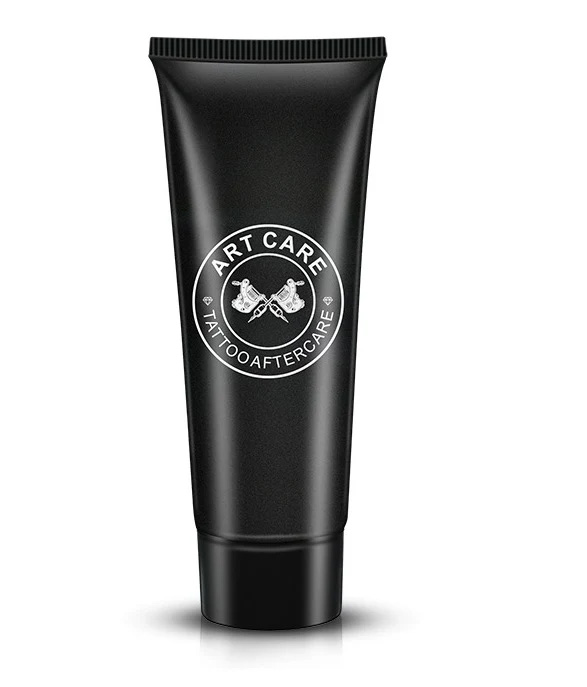
Fresh tattoos represent significant personal and financial investments. The healing phase determines whether your artwork maintains its intended appearance or develops issues that diminish quality. Many people unknowingly damage their tattoos through well-intentioned but incorrect aftercare practices. Understanding these mistakes can help you avoid permanent problems.
Understanding the Damage: Australian tattoo enthusiasts often encounter unique challenges during the healing process due to local climate conditions and lifestyle habits. Tattoo aftercare Australia professionals consistently observe damage patterns linked to beach exposure, outdoor activities, and sun-intense environments. Picking at scabs or peeling skin removes ink along with the protective layer, creating patchy areas that require touch-ups. Swimming in pools or oceans introduces bacteria while softening scabs, leading to infection risks and colour loss.
Prevention Strategies: Resist touching your tattoo beyond necessary cleaning and moisturising. The urge to pick at flaking skin feels strong, but patience preserves ink saturation. Keep the area covered when outdoors during initial healing stages. Apply proper skin care techniques by washing gently with fragrance-free soap twice daily, patting dry with clean paper towels rather than rubbing with fabric towels that harbour bacteria.
Critical Healing Errors
Avoiding Over-Washing: Excessive washing strips away natural skin barrier protection and delays healing. Many people mistakenly believe frequent cleaning prevents infection, but over-washing achieves the opposite effect. Three to four daily washes become counterproductive, removing beneficial oils that support tissue repair. The epidermis requires balanced moisture levels to regenerate properly without complications or extended recovery periods.
Managing Moisture Levels: Heavy lotions or petroleum-based products suffocate healing skin by blocking oxygen flow and trapping bacteria. Choose lightweight, fragrance-free moisturisers specifically designed for tattoo care. Apply thin layers only when skin feels tight or dry. Too much moisture creates breeding grounds for bacteria and pulls ink from settling properly into dermal layers.
Professional-Endorsed Practices
Protective Measures: Tattoo artists recommend avoiding tight clothing that rubs against fresh artwork. Friction irritates healing skin and disrupts wound healing processes that lock ink into place. Sleep on clean sheets and avoid gym equipment that contacts the tattooed area. Skip hot tubs, saunas, and swimming for at least three weeks regardless of how well the surface appears to have healed.
Recovery Timeline: Following structured routines ensures optimal results. Professional guidelines include:
- Clean with lukewarm water and antibacterial soap twice daily
- Pat completely dry before applying thin moisturiser layers
- Avoid direct sunlight and apply SPF 50+ after initial healing completes
- Never scratch, pick, or peel any scabbing or flaking skin
- Watch for signs of infection like excessive redness, swelling, or discharge
Conclusion
Protecting your tattoo investment requires discipline during the healing phase. Avoiding common mistakes like over-washing, heavy creams, and scab picking preserves artwork quality and prevents complications. Professional aftercare routines might feel tedious, but they guarantee your tattoo heals properly and maintains its intended appearance for years. Commit to proper techniques and consult your tattoo artist immediately if concerns arise during recovery.
Featured Image Source: https://www.numbingcream.com.au/cdn/shop/products/Tattooaftercarecream_1024x1024@2x.jpg?v=1659671939