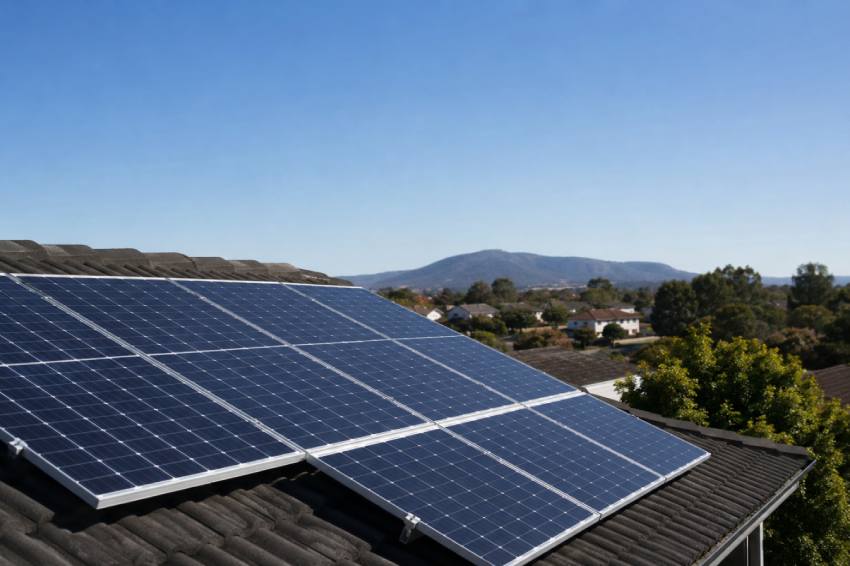
Increasing power prices and environmental issues are motivating households and companies to seek alternative energy sources. The use of solar technology has been identified as one of the most efficient and affordable in saving long term energy costs.
The advanced photovoltaic panels are used in modern solar systems to turn sunlight into useful electricity and make properties less reliant on standard power grids. With the advancement in technology, solar systems are becoming more efficient, durable and available to various energy requirements.
How Solar Panels Reduce Electricity Costs
Many property owners are adopting Ontario solar systems to cut down monthly electricity bills and be more energy efficient. The solar panels produce electricity during the day, and thus, purchase of power to utility companies is minimized. In some cases, net metering programs can also be used to redirect excess energy, forming additional saving opportunities.
Modern systems use advanced photovoltaic (PV) cells and efficient inverters for better energy conversion and performance. Solar installation Ontario services are provided by professionals to expose the panels well, safely, and with maximum power generation. The appropriate installation improves efficiency in the long term and longevity of the system.
Energy Efficiency and Long-Term Benefits
There are financial benefits and environmental benefits associated with solar technology. Homeowners can recover the installation costs over time with lower electricity bills and maintenance costs. The solar-equipped properties also might gain market value.
Solar power generation results in clean electricity and does not produce greenhouse gasses. Solar systems are silent and do not need much maintenance as opposed to other sources of energy. Advanced battery energy storage can also enable the user to store unused energy that can be used in future to enhance power security in case of power outage.
Environmental Advantages of Solar Technology
Among the largest advantages of solar energy, one can note its positive environmental effect. Conventional electricity production tends to use fossil fuels that drive a release of green-house gas.
Solar energy also generates clean electricity through effective renewable energy integration of which does not pollute the atmosphere with harmful gases. Households and businesses can greatly decrease their carbon footprint by using renewable energy.
The solar systems also need very little maintenance as compared to most traditional energy systems. Most of the panels are so constructed that they can withstand extreme weather conditions and work profitably over decades. This wear and tear has led to stable performance and reliable saving of energy in the long-run.
Smart Energy Monitoring and Control
Contemporary solar systems now have elaborate energy monitoring systems that assist users to monitor the production and consumption of electricity in real-time. These systems will give detailed information on the day-to-day energy consumption patterns and the efficiency of the system.
Smart monitoring is also beneficial to detect performance problems promptly, thereby saving both energy and maintenance expenses. Under improved energy management, homeowners will be able to get the maximum possible savings and enhance the overall efficiency of their solar technology systems.
Conclusion
The development of solar technology is still changing how the people generate and use electricity. Solar power provides lower energy charges, high efficiency and environmental sustainability, hence it is a good investment in the contemporary property. With the developing technology of renewable energy, solar systems will remain a viable and sustainable energy saving solution to both homeowners and business owners.