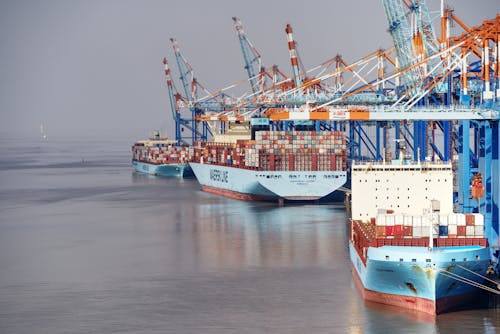
The shipping of goods via containers accounts for roughly 80% of all the business transacted on a worldwide scale. Figures tend to be large. The routes taken are sometimes as long as three continents. What is more, things that might possibly go wrong do not always make themselves evident ahead of time. Once that happens, when there is a loss, delay, or damage involved, financial losses can add up to hundreds or even millions of dollars. This is where a cargo tracking company comes in. You see where each container sits and what condition it is in real time. With shipments crossing several borders and ports, live updates let you step in before a small issue turns into a bigger one.
That is the part most people underestimate before it happens to them. The cost of the lost cargo is one thing. The customer relationships take a hit. There is the insurance back-and-forth, plus the audit trail you have to dig up six months later. All of that adds up. Shipping container tracking is the answer most operations directors land on after their second or third bad week.
What proper tracking actually shows you
Location alone is not enough, in most cases. Modern shipping container tracking pulls in seven or so data points at once.
- GPS location, refreshed at whatever interval you set
- Internal temperature and humidity
- Shock and free-fall events
- Light exposure, which is a fairly reliable tamper signal
- Orientation, so you know if a pallet got flipped
That last one sounds minor. It is not. A flipped pallet can void a manufacturer’s warranty on sensitive electronics, and you might never spot it from the outside.
A good cargo tracking company sends all of this into a web portal and, if you want, straight into your TMS or ERP through an API. No more spreadsheet handovers between teams.
Picking the right cargo tracking company
Not every provider does the same thing. A few questions worth asking before you sign anything:
- Does the device work across sea, rail, road, and air, or only one mode?
- Is the hardware airline-approved and IATA-compliant?
- How long does the battery last on a single charge?
- Do you get the device back, or does it become e-waste at the end of the trip?
That last point matters more than you might think. By returning a tracking device, charging it, and using it again on another trip, you reduce your carbon footprint and lower the shipping cost. A cargo tracking company that hands you disposable trackers will run up your costs quicker than you might imagine.
Coverage issues you didn’t know about
Sometimes, there are dead zones when it comes to tracking your cargo. The box leaves the vessel, stays at the port, is placed on the truck, and suddenly the information goes missing for a couple of days. A reputable cargo tracking company relies on a 5G IoT platform with roaming capability around the globe. Ask the provider about coverage in the lanes you actually use, not just the headline numbers on their website.
Ask for a sample journey log. If they hesitate, that tells you something.
Returns and refresh
Reverse logistics for tracking devices is quite a headache. Some operators leave it to you. The better ones handle collection, recharging, firmware updates, and redeployment from their own fulfillment centers.
You want the second kind. The first kind costs time you do not have.
A final thought
Pick a partner who treats your data like their own. The service is where the real differences turn up, more often than not. A short pilot will tell you more than any sales deck.
Featured Image Source: https://images.pexels.com/photos/11555089/pexels-photo-11555089.jpeg