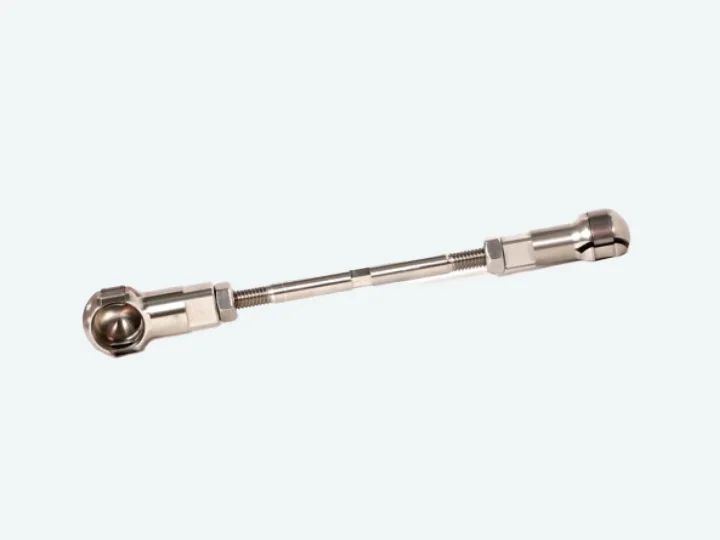
Industrial machinery operates under constant stress. Vibration, thermal expansion, and dynamic loads challenge every connection point. Fastening precision determines whether equipment runs reliably or fails unexpectedly. Engineers must balance multiple factors when selecting and installing fasteners. The right approach prevents costly downtime and protects worker safety.
The Role of Critical Assemblies
Handling Dynamic Movement: Systems incorporating ball joint assembly components face unique fastening challenges. These assemblies allow controlled movement between connected parts. Vibration and load variations create constant motion at connection points. Standard fastening methods often loosen over time in these conditions. The fastener must maintain clamping force despite repeated stress cycles.
Preventing Loosening: Self locking nuts provide mechanical resistance against vibration-induced loosening. These fasteners use deformed threads, nylon inserts, or metal locking elements to maintain tension. The locking mechanism engages during installation and continues functioning through thousands of load cycles. This design eliminates the need for additional lock washers or thread-locking compounds in many applications.
Material and Installation Considerations
Selecting Appropriate Materials: Different industries require specific fastener materials based on operating conditions. Corrosive environments demand stainless steel or coated fasteners. High-temperature applications need materials that maintain strength above 200°C. Load-bearing connections require fasteners with appropriate tensile and shear ratings. Matching the fastener to the application prevents premature failure.
Achieving Proper Preload: Correct installation determines fastening effectiveness. Under-tightening allows movement and accelerates wear. Over-tightening damages threads and reduces clamping force. Torque specifications provide consistent installation results when followed precisely. Thread engagement length affects joint strength significantly. Engineers must specify adequate engagement depth for the expected loads.
Maintenance and Inspection Protocols
Regular Verification Checks: Scheduled inspections identify loosening before failures occur. Visual checks reveal missing fasteners or visible gaps between components. Torque verification confirms maintained clamping force. Maintenance programmes include fastener replacement at predetermined intervals. These practices catch problems early and prevent cascading failures.
Addressing Vibration Concerns: Industrial environments generate continuous vibration from rotating equipment, hydraulic systems, and material handling operations. This vibration gradually loosens conventional threaded connections. Thread engagement alone cannot guarantee long-term reliability. The fastening solution must actively resist loosening forces throughout the equipment’s service life.
Performance Benefits
Reduced Downtime Impact: Precision fastening minimises unplanned maintenance events. Secure connections maintain alignment between moving parts. This consistency reduces wear on bearings, seals, and mating surfaces. Equipment runs longer between service intervals. Production schedules remain stable when machinery performs reliably.
Extended Component Life: Proper fastening distributes loads evenly across connection surfaces. This even distribution prevents stress concentrations that cause fatigue cracks. Components last longer when operating within design parameters. The initial investment in quality fastening solutions pays returns through extended equipment life.
Precision fastening forms the foundation of reliable industrial machinery. Selecting appropriate fasteners for specific applications and installing them correctly prevents most connection-related failures. Engineers should evaluate fastening requirements during design phases rather than addressing problems after commissioning. Contact experienced fastener suppliers to discuss your application requirements and identify solutions that match your operational demands.
Featured Image Source: https://sp-ao.shortpixel.ai/client/to_auto,q_glossy,ret_img/https://upsind.com/wp-content/uploads/2024/12/ball-joint-assembly.jpg