June 11, 2026 +91-9876543210
The Risks Businesses Ignore Until Their Credit Profile Fails

The Risks Businesses Ignore Until Their Credit Profile Fails

Overlooked warning signs regarding credit can silently sabotage a company’s funding opportunities, vendor relationships, and strategic partnerships. Businesses that fail to monitor their financial reputation often discover problems only when critical deals collapse. Regular credit oversight prevents costly surprises and maintains operational flexibility.

Companies often assume their creditworthiness remains stable until a major transaction is rejected. This false confidence stems from focusing solely on internal financial metrics while ignoring how external reporting agencies assess their profile. Small errors, outdated information, or unreported debts accumulate quietly, creating barriers that surface at the worst possible moments.

A reliable business credit report service provides the visibility you need to catch these issues before they escalate. It can track payment histories, legal filings, and credit utilization patterns across multiple bureaus. The data reveals discrepancies that internal accounting systems often miss, giving you time to address problems proactively during crucial negotiations.

Understanding what appears on business credit reports determines whether partnerships move forward or stall indefinitely. Lenders, suppliers, and investors routinely check these documents before committing resources. Negative marks that seem insignificant to management can trigger automatic rejections in underwriting systems, blocking access to capital when expansion opportunities arise.

Why Credit Blind Spots Develop

Operational Focus Over Financial Perception: Management teams concentrate on revenue growth and operational efficiency while assuming credit monitoring happens automatically. This gap allows reporting errors to persist for months or even years. Credit utilization ratios shift without notice as spending patterns change, and delayed vendor payments that seem minor internally register as serious red flags to scoring algorithms.

Fragmented Data Across Bureaus: Different credit bureaus maintain separate records that rarely align perfectly. One agency might show timely payments while another reflects outdated collection notices. Checking just one source keeps you unaware of damaging information circulating elsewhere in the financial ecosystem.

The Real Cost of Ignored Warning Signs

Lost Partnership Opportunities: Strategic alliances require mutual financial confidence. When potential partners discover undisclosed credit issues during due diligence, negotiations terminate abruptly. The relationship damage extends beyond the immediate deal, affecting your reputation and future collaboration prospects.

Supplier Contract Restrictions: Vendors increasingly demand favorable credit profiles before extending payment terms. Poor credit forces businesses into cash-on-delivery arrangements that strain working capital. Key suppliers may:

  • Require personal guarantees from ownership
  • Impose shorter payment windows that disrupt cash flow planning
  • Limit order quantities until credit standing improves
  • Increase pricing to offset perceived default risk

Emergency Funding Barriers: Credit problems surface most painfully during urgent capital needs. Equipment failures, inventory shortages, or unexpected market opportunities require quick financing that becomes impossible when credit profiles show unresolved issues. The time needed to repair credit eliminates time-sensitive advantages.

Recognizing Silent Credit Deterioration

Payment Pattern Shifts: Late payments to even minor vendors create lasting impacts. Credit algorithms weigh payment consistency heavily, and sporadic delays signal instability. Companies often prioritize large creditor relationships while letting smaller obligations slip, not realizing these contribute equally to overall scoring.

Public Record Complications: Tax liens, judgments, or legal disputes become permanent credit file fixtures. These records persist long after a resolution has been reached unless actively challenged and removed. Debt-to-income calculations incorporate these liabilities whether businesses remember them or not, reducing available credit capacity.

Building Protective Monitoring Systems

Quarterly Review Protocols: Scheduled credit report analysis catches errors before they multiply, while regular reviews identify unauthorized inquiries, incorrect balance reporting, and outdated account statuses. This rhythm creates accountability and prevents the crisis-driven approach that characterizes reactive credit management.

Multi-Bureau Coverage: Comprehensive monitoring requires checking all major business credit bureaus simultaneously. Discrepancies between reports need immediate investigation and correction. Relying on single-source data leaves dangerous blind spots that surface during critical evaluations by lenders or partners.

Conclusion

Taking Control of Credit Visibility: Your business cannot afford to discover credit problems during deal negotiations or funding applications. Proactive monitoring transforms credit management from a reactive crisis into a strategic advantage. Regular reviews, multi-bureau tracking, and prompt error correction protect against the hidden risks that derail growth plans.

Start building credit oversight systems today to ensure your financial reputation aligns with your operational performance and supports your long-term objectives.

Featured Image Source: https://media.gettyimages.com/id/157681670/photo/credit-report.jpg?s=612×612&w=0&k=20&c=QMy9sH4XGf8hTBqMynD8TZyb6KCTtJWehpw7sobMvsY=

7 Reasons to Keep a Local Emergency Plumber on Speed Dial

7 Reasons to Keep a Local Emergency Plumber on Speed Dial

Plumbing emergencies never arrive with warning. One moment everything works, and the next water spreads across floors, pressure builds in pipes, or heating cuts out without explanation. In those situations, stress takes over fast. Clear thinking becomes harder, and small delays start to matter more than expected.

That is exactly why keeping a local emergency plumber saved in your phone makes sense. Searching for help while water runs wastes time and focus. A saved contact removes hesitation and gives you a clear next step when your home feels vulnerable.

Here is why that preparation matters more than most people realize.

1. Faster Action When Time Works Against You

Water damage does not pause while you decide who to call. It spreads through flooring, walls, and fixtures in minutes, not hours. A local plumber already working nearby cuts down response time without vague promises or long arrival windows.

Local knowledge helps with:

  • Shorter travel times
  • Familiar access routes
  • Quicker arrival during busy periods

When help arrives sooner, damage stays smaller. That difference often decides whether repairs stay manageable or spiral into major restoration work.

2. Familiarity With Local Plumbing Systems

Plumbing systems vary more than people expect. Older neighborhoods often contain mixed pipe materials, unusual layouts, or aging shutoff valves. Newer areas follow different standards and pressure levels.

A plumber who works locally recognizes these patterns quickly. That familiarity reduces guesswork and avoids unnecessary disruption. Diagnosis becomes faster because similar problems appear repeatedly in the same area.

The Chartered Institute of Plumbing and Heating Engineering highlights system familiarity as a key factor in safe and effective plumbing work. Local experience shortens the learning curve during emergencies.

3. Clear Guidance Before Help Arrives

A good plumber starts solving problems before stepping through the door. When you already have a trusted contact, guidance often begins during the call itself. That early support limits damage while help travels.

You may receive instructions on:

  • Shutting off the main water supply
  • Isolating boilers or heating systems
  • Moving valuables away from affected areas

Water Regulations Advisory Scheme guidance supports early isolation to reduce damage during leaks. Those first minutes matter, and calm instructions help you act with purpose instead of panic.

4. Reduced Risk of Rushed Decisions

Emergencies push people into quick choices. Under stress, it becomes easy to accept unclear pricing, unsafe fixes, or vague explanations. Having a local plumber already chosen removes that pressure.

You avoid:

  • Comparing services while damage spreads
  • Agreeing to costs without clarity
  • Accepting temporary fixes without explanation

Prepared decisions protect you from regret later. Familiarity brings confidence, and confidence supports better judgment during chaos.

5. Accountability Built on Local Reputation

Local trades depend on trust. Reputation travels quickly through neighborhoods, reviews, and word of mouth. A plumber who relies on local work understands that each job affects future calls.

That accountability often shows through:

  • Clear pricing discussions
  • Willingness to explain work steps
  • Honest limits on what can be fixed immediately

You feel the difference when someone expects to work in the same area again. Trust feels more tangible when reputations matter locally.

6. Safer Handling of High-Risk Situations

Some plumbing emergencies involve more than water. Gas issues, boiler faults, and pressure problems raise safety concerns that demand careful handling. Speed still matters, but safety cannot be ignored.

A local emergency plumber experienced with urgent situations balances urgency with proper checks. Gas detection, pressure testing, and system isolation happen even when time feels tight.

Health and Safety Executive guidance outlines strict safety steps for gas-related work. Plumbers who follow those steps protect everyone inside the property, not just the repair itself.

7. Better Control Over Cleanup and Aftercare

Stopping the immediate problem rarely ends the job. Water left behind causes long-term damage that appears days or weeks later. Floors swell, mold forms, and materials weaken quietly.

A local plumber often focuses on early damage control, not just the visible repair. Water extraction, surface checks, and advice on drying help prevent secondary problems.

British Standards Institution publications link early moisture control to reduced building damage. Cleanup decisions made during the first visit influence long-term repair costs.

Why Searching During an Emergency Often Fails

Many people rely on online searches when emergencies hit. That approach sounds reasonable until stress interferes. Ads dominate results. Reviews conflict. Decisions feel rushed.

Meanwhile, water keeps spreading.

A saved contact removes that friction. One call replaces scrolling, comparing, and second-guessing. That simplicity matters when attention feels stretched thin.

What Happens Without Preparation

Lack of preparation often leads to predictable outcomes:

  • Overpaying due to urgency
  • Accepting unclear timelines
  • Allowing unsafe temporary repairs

These mistakes rarely feel obvious in the moment. They become clear later, once calm returns and damage totals add up.

Preparation shifts that balance in your favor.

Signs You Chose the Right Local Plumber

Professionalism shows quickly during emergencies. You can sense it through tone, structure, and clarity.

Look for:

  • Calm explanations
  • Direct answers to questions
  • Respect for safety steps

Confidence should feel steady, not hurried. That difference matters when trust feels fragile.

Speed Dial Is About Control, Not Commitment

Saving a number does not remove your choice. It removes hesitation. You still ask questions. You still expect transparency. Speed dial simply gives you a starting point when clarity feels scarce.

That small step protects your future self from rushed decisions.

Reviewing Your Emergency Contact

Preparedness should not remain static. Numbers change. Availability shifts. Reviewing your saved contact once a year prevents surprises.

A quick check confirms:

  • The number still works
  • Emergency services remain available
  • Coverage still fits your needs

That habit keeps preparation current.

The Emotional Side of Plumbing Emergencies

Plumbing failures feel personal. Homes represent safety, comfort, and routine. When water or gas threatens that space, stress escalates quickly.

Having a trusted local contact reduces that emotional weight. Calm guidance restores a sense of control before tools even come out. That reassurance matters more than many people admit.

A Local Emergency Plumber often brings stability before repairs begin.

When Preparation Protects More Than Property

Some emergencies threaten safety, not just belongings. Gas leaks, electrical risks near water, and pressure failures demand immediate attention.

Quick access to qualified help protects people inside the home. That reality often becomes clear only after the danger passes.

Preparedness works quietly, until it does not have to.

Final Words

Plumbing emergencies arrive without notice. Preparation happens long before that moment.

Saving a Local Emergency Plumber in your phone takes seconds. Those seconds can protect your home, finances, and peace of mind when stress hits hardest. Control starts with readiness.

Featured Image Source: https://pixabay.com/photos/man-plumber-plumbing-repair-8689628

Why Consistency Matters More Than Comfort in Visco-Elastic Foam Manufacturing

Why Consistency Matters More Than Comfort in Visco-Elastic Foam Manufacturing

Furniture makers and automotive suppliers face a persistent challenge that rarely appears in consumer marketing materials. The foam arriving in week twelve behaves differently from the foam delivered in week three, even when specifications appear identical on paper. This inconsistency forces production line adjustments, creates quality control headaches, and ultimately damages client relationships built on delivery promises.

The Manufacturing Reality Behind Memory Foam

Density Variations Create Cascading Problems: When memory foam manufacturers supply materials with fluctuating densities, cutting equipment requires constant recalibration. A batch measuring 55 kg/m³ cuts cleanly at specific blade speeds and pressures. The next delivery arrives at 58 kg/m³, and suddenly production slows as operators adjust settings. These small density shifts compound across hundreds of units, turning minor variations into measurable productivity losses that affect profit margins.

Recovery Time Inconsistencies Disrupt Assembly: Visco-elastic foam compressed during packaging should return to specified dimensions within predictable timeframes. Some batches recover in 24 hours; others require 48 or 72 hours before reaching usable dimensions. Assembly teams cannot wait indefinitely for materials to stabilise, forcing either premature use of under-recovered foam or costly schedule delays that ripple through entire production calendars.

Cell Structure Uniformity Determines Performance

Open vs Closed Cell Ratios: The microscopic architecture of foam determines not just comfort but structural integrity over time. Polymer cross-linking density affects how cells respond to repeated compression cycles. Furniture manufacturers need foam that performs identically in unit 1 and unit 1,000, not materials that show fatigue patterns after modest use because cell structures vary between production batches.

Temperature Sensitivity During Processing: Visco-elastic materials respond to ambient temperatures during manufacturing and application. Inconsistent cell structures react unpredictably to workshop conditions. One batch remains pliable at 18°C; another becomes unworkably stiff. Production facilities cannot maintain laboratory conditions, so foam must perform reliably across normal environmental ranges without requiring climate-controlled storage.

Risk Mitigation Through Process Control

Quality Assurance Beyond Specifications: Purchase orders list density ranges, indentation force deflection values, and compression set percentages. These numbers mean little if every delivery requires verification testing before use. Reliable suppliers maintain process controls that deliver consistent results, eliminating the need for buyers to conduct incoming inspections that delay production schedules and add hidden costs.

Long-Term Partnership Value: Switching foam suppliers disrupts established workflows and introduces new variables into proven production methods. Manufacturers invest time calibrating equipment and training staff for specific material characteristics. Consistency allows these investments to generate returns rather than requiring constant readjustment to accommodate material variations that undermine operational efficiency.

Conclusion

Industrial foam procurement decisions rest on predictable performance rather than showroom demonstrations. Suppliers who maintain rigorous process controls deliver materials that integrate smoothly into existing production systems without requiring constant adjustment. Evaluate potential partners based on batch consistency records and process documentation rather than sample impressions. Contact manufacturers who prioritise quality systems and ask specific questions about their statistical process control measures before committing to supply agreements.

Featured Image Source: https://flexipol.in/wp-content/uploads/2023/03/shutterstock_336304280-scaled-1-768×512.jpg

Where Downtime Starts: Hidden Weak Points in Industrial Connections

Where Downtime Starts: Hidden Weak Points in Industrial Connections

Manufacturing floors operate on tight margins. A single unexpected shutdown can cost thousands per hour, yet many facilities unknowingly harbour weak points in their fluid transfer systems. These vulnerable spots rarely announce themselves until something goes wrong and they break down.

The Problem with Rigid Thinking

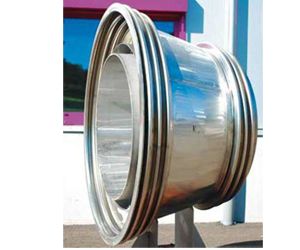
Thermal Expansion Creates Stress: Pipes and hoses expand when heated, contract when cooled. Standard rigid connections can’t accommodate this movement, which means the system absorbs stress at the junction points. Over time, Kompaflex bellows provide the flexibility needed to handle thermal expansion without creating stress fractures. This protective design keeps production lines running by preventing premature connection failures that would otherwise force emergency shutdowns and costly repairs.

Misalignment Demands Flexible Solutions: Equipment vibrates during operation. Foundations settle. Small misalignments between connection points grow worse as machinery runs through thousands of cycles. Quick-release coupling systems address this by allowing rapid disconnection when adjustments are needed, cutting maintenance time dramatically. The ability to service connections in seconds rather than hours means production schedules stay on track even when alignment corrections become necessary.

Access Issues That Delay Repairs

Traditional Connections Slow Response: When a hose needs replacement, technicians often spend more time disconnecting and reconnecting fittings than actually swapping the component. Standard threaded connections demand wrenches, careful alignment, and multiple turns to secure properly. The faster a team can isolate and address a problem, the less production time disappears.

Hidden Leak Points Go Undetected: Connections buried behind equipment or positioned in awkward locations don’t get inspected regularly. By the time someone notices reduced pressure ratings or fluid on the floor, damage has already occurred. Accessible connection designs and transparent protective sleeves make visual inspection part of routine walkthroughs rather than scheduled teardowns.

Seal Degradation Nobody Sees

Chemical Compatibility Mismatches: Different fluids demand different seal materials. Using standard O-rings with aggressive chemicals leads to gradual deterioration that’s invisible from the outside. The seal looks fine until it doesn’t, then suddenly there’s contamination or loss of system pressure. Quality seals matched to specific applications maintain their integrity across extended service intervals, protecting both the product being transferred and the production schedule from unexpected contamination incidents.

Temperature Cycling Weakens Materials: Seals that work perfectly at ambient temperature may harden in cold conditions or soften under heat. This cycling creates microscopic cracks that eventually become paths for leakage. Facilities running multiple shifts with varying thermal conditions need seals designed for the full operating range, not just average conditions. Premium seal materials resist degradation even under extreme temperature swings, keeping systems leak-free and production consistent.

Maintenance Windows That Don’t Exist

Production Schedules Leave No Room: Many operations run continuously or have such tight scheduling that planned maintenance gets postponed repeatedly. When connections require extensive disassembly, the work keeps getting delayed until failure forces an emergency stop. Modular systems with tool-free disconnection allow maintenance during brief production pauses rather than requiring dedicated downtime.

Skills and Tools Matter: Some connection types need specialised equipment or trained personnel to service properly. If that expertise isn’t available during off-hours or weekends, minor issues escalate. Standardising on connection methods that any competent technician can handle with basic tools reduces dependency on specific individuals or equipment.

Prevention Starts with Design Choices

Smart connection selection during initial setup or system upgrades pays back through reduced interruption frequency:

  • Flexibility where movement occurs naturally
  • Quick disconnection points at service locations
  • Seal materials matched to operating conditions
  • Visual inspection capabilities built into the design
  • Standardised components across similar applications

Conclusion

Unplanned shutdowns don’t start with catastrophic failures. They begin with small compromises in connection design, material selection, and maintenance accessibility. Addressing these vulnerabilities before they become problems keeps operations running smoothly. Review your current systems for rigid connections in high-movement areas, difficult-to-service junction points, and seal materials that might not match your actual operating conditions. Making targeted improvements now prevents costly interruptions later.

Featured Image Source: https://www.jreltd.com/images/bellows/2.png

How Regular Dog Cleaning Helps Prevent Skin Issues in Bangalore's Climate

How Regular Dog Cleaning Helps Prevent Skin Issues in Bangalore’s Climate

Dogs living in the city of Bangalore face unique skin challenges that many pet parents don’t anticipate. The city’s year-round humidity traps moisture against their skin, creating breeding grounds for bacteria and fungi. Urban pollution adds another layer of irritation, with dust particles settling deep into fur and causing inflammation that can turn serious if ignored.

Why Bangalore’s Weather Affects Your Dog’s Skin

Humidity Creates Hidden Problems: Finding reliable dog cleaning services near me becomes essential when you notice your pet scratching more than usual. The moisture in Bangalore’s air doesn’t just make humans uncomfortable. It sits on your dog’s skin, under their coat, where you can’t see it. This dampness allows yeast and bacteria to multiply quickly, leading to hot spots and fungal infections that spread faster than most pet parents expect.

Dust Accumulation Goes Deeper Than You Think: Street dust in Bangalore contains more than dirt. It carries allergens, vehicle emissions, and microscopic particles that burrow into your dog’s undercoat. When this grime mixes with natural skin oils, it forms a sticky layer that blocks pores and irritates hair follicles. Dogs with thick coats suffer the most because debris settles at skin level where simple brushing can’t reach it.

Common Skin Problems From Poor Cleaning Habits

Bacterial Infections Start Small: Pet parents often miss the early signs because they look minor. A small red patch behind the ear. Slight wetness between the paw pads. These spots turn into pyoderma if bacteria find their way into skin folds or under matted fur. The infection spreads outward, causing hair loss and oozing sores that require antibiotics and weeks of treatment.

Fungal Growth Loves Neglected Coats: Ringworm and yeast infections thrive when dogs go too long between proper cleanings. These fungi don’t need open wounds to take hold. They simply need a warm, moist environment with some dead skin cells to feed on. Dogs start losing patches of fur in circular patterns, and the affected areas become crusty or scaly.

What Proper Cleaning Actually Prevents

Regular Baths Remove What Brushing Misses: A thorough cleaning session does more than make your dog smell better. It removes the buildup that traps heat and moisture against the skin. Professional groomers understand how pH-balanced shampoos work with a dog’s natural skin chemistry, something generic soaps can’t replicate. They also spot early warning signs of skin conditions that might escape an untrained eye.

Watch For These Red Flags: Pet parents should look for constant paw licking, red patches that appear suddenly, or a musty smell that lingers even after home baths. These signal that regular cleaning routines aren’t cutting it:

  • Excessive scratching in specific areas, especially belly and armpits
  • Hair loss in circular patterns or thinning around the tail base
  • Greasy or flaky skin visible when you part the fur
  • Hot spots that look moist and inflamed

Conclusion

Bangalore’s climate demands more than occasional baths and quick brush-throughs. Skin problems develop faster here than in drier cities, catching many pet parents off guard. Professional cleaning routines tailored to local conditions make the difference between healthy skin and recurring infections. Schedule a consultation with trained groomers who understand what Bangalore dogs need to stay comfortable throughout the year.

Featured Image Source: https://media.gettyimages.com/id/969094132/photo/asian-chinese-female-pet-groomer-with-apron-grooming-a-brown-color-toy-poodle-dog.jpg?s=612×612&w=0&k=20&c=iy9roQWP3mIYZ94zBjGduECn2duuhF_jI1dVQ1jle-0=

From Short Events to Long Projects: How Toilet Needs Change Over Time

From Short Events to Long Projects: How Toilet Needs Change Over Time

Planning sanitation for a weekend festival looks nothing like organising facilities for a six-month construction site. The difference isn’t just numbers. It’s anticipating how needs grow, change, and catch you off guard when you least expect them.

Understanding Duration Impact

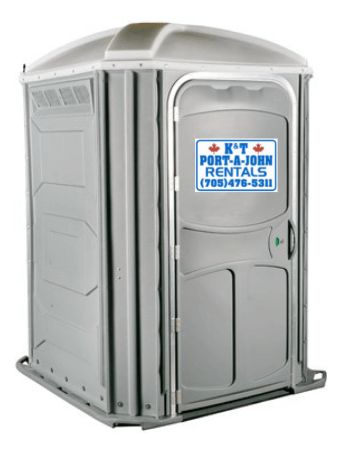
Immediate Needs vs. Sustained Demand: Short events create concentrated pressure on facilities. A four-hour outdoor concert might see hundreds of guests using an outdoor portable toilet within a tight window. The rush happens fast, and ends quickly. Long-term projects behave differently. Usage spreads across weeks or months, creating wear that builds gradually and demands consistent attention.

Calculating Units for Different Timelines: A portable toilet rental for a day-long charity run follows simple math based on attendee counts. Longer commitments require factoring in deterioration, weather exposure, and the reality that what works on day one might fail by week three. Construction crews don’t stop needing facilities just because the initial excitement wears off.

Usage Patterns Shift

Peak Times Create Pressure: Events concentrate toilet use during breaks, intermissions, or meal periods. Everyone needs the facilities at once. Queue forming, frustration building if you’ve underestimated capacity. Projects spread usage more evenly, but that doesn’t make planning easier. Different shifts, crew rotations, and site accessibility all influence how many units you actually need versus what the basic formula suggests.

Weather Changes Everything: Rain turns temporary events chaotic and makes long-term sites muddy nightmares. Heat accelerates odour issues, makes enclosed spaces unbearable. Cold weather brings its own problems. Sanitation planning that ignores seasonal shifts is sanitation planning that fails. You can’t assume conditions stay stable just because your timeline does.

Servicing Frequency Matters

Short Events Need Preparation: A two-day festival requires pre-event cleaning, mid-event checks, and post-event removal. The servicing happens in concentrated bursts. Get it wrong and your event suffers immediately. No hiding from complaints when guests encounter overflowing facilities during peak attendance.

Long Projects Demand Consistency: Monthly construction contracts need regular waste management schedules that don’t slip or get postponed. Skipping even one service creates compounding problems. Workers notice. Morale drops. Health risks increase. The facilities that seemed adequate at project start become unusable eyesores by month two if servicing lapses.

Scaling Up or Down: Project timelines shift. Events get extended. Construction phases overlap. Your initial toilet count might need adjusting as circumstances change. Recognising when to add units or remove excess capacity saves money and prevents problems before they become obvious to everyone on site.

Planning Prevents Problems

Ask the Right Questions Early:

  • How many people per day or per shift, and does that number fluctuate based on project phases?
  • What’s the longest gap between servicing opportunities when weekends or holidays factor in?
  • Are there accessibility requirements that standard units won’t meet for workers or guests?
  • What happens if the timeline extends unexpectedly and you need more capacity fast?

Match Solutions to Reality: A garden wedding needs elegance and convenience for a few hours. A roadwork crew needs durability and regular maintenance for months. Using the same approach for both guarantees disappointment somewhere. Think about what happens on day thirty, not just day one.

Conclusion

Toilet needs aren’t static. They evolve as your event or project progresses, influenced by duration, weather, usage patterns, and servicing realities. Short-term planning focuses on peak capacity. Long-term planning requires sustained quality and consistent maintenance. Getting it right means thinking beyond obvious numbers and considering how small oversights become big problems over time. Contact experienced providers who understand these shifting requirements and can adjust solutions as your needs change throughout any timeline.

Featured Image Source: https://ktportajohn.ca/websites/ktportajohn.ca/ecommerce/products/4/images/main/barrier-free.png

The Hidden Cost of Buying the Wrong Gear When You Live Far From "Easy Replacements"

The Hidden Cost of Buying the Wrong Gear When You Live Far From “Easy Replacements”

Why Distance Amplifies Every Mistake: Nearest replacement is hours away? Mistakes cost more than money. They cost entire weekends. A faulty fitting discovered mid-project means stopping work, driving long distances, and hoping the right part is in stock. The frustration builds when what should take one afternoon stretches into three days of driving and waiting.

Understanding the Real Costs

Money Wasted on Returns: Projects involving Northern Ontario home installs demand careful thought before starting. A leaking pipe connection or undersized electrical component discovered halfway through installation creates problems that can’t wait. Water damage spreads. Electrical work sits unfinished. The house remains uncomfortable, sometimes unsafe, because one small oversight derailed everything. Distance turns every mistake into a much bigger headache than it needs to be.

Time Lost From Poor Choices: Picking Northern Ontario camping equipment without doing your homework leads to trips that fall apart fast. Tent leaks during the first rain. The stove won’t light when it’s cold. Boots cause blisters by day two. Your outdoor time turns into a slog instead of the break you needed. Faulty gear means heading home early or suffering through it, neither sounds great after planning this getaway for weeks.

Weekend Projects That Stretch Into Nightmares: Driving back to return items burns through fuel money fast. That’s time you could spend actually finishing the project or doing something you enjoy. Multiple correction trips eat into budgets already feeling tight. Some items can’t go back once opened. Money just vanishes with nothing to show for it.

Getting It Right From the Start

Research Before Buying: Hours spent fixing mistakes are hours not spent doing what actually matters. Load-bearing structures need materials matched to the job. Swapping things out and hoping for the best doesn’t work. Wrong fasteners or supports turn into safety problems that can’t wait. Project drags on. Family plans get scrapped. Stress piles up over something better planning would have caught early.

Ask Questions Early: Simple bathroom update turns into a drawn-out mess when parts don’t fit. The water heater installation that should wrap up Saturday morning becomes a multi-day problem because connections weren’t sized right. Standing in a cold shower on Monday morning because Sunday’s repair failed makes you rethink every decision that led there. That’s exactly why understanding specifications before buying prevents most headaches.

Quality Over Quick Savings: Staff who understand local conditions provide valuable guidance. They know which products withstand harsh winters and which ones fail when temperatures drop. Their experience saves customers from repeating common mistakes:

  • Check compatibility before leaving the shop, measure twice against actual installation spaces
  • Verify measurements and confirm warranty coverage, ask about return policies that actually make sense
  • Ask about backup options if first choice unavailable, plan for contingencies
  • Get recommendations based on local climate conditions, not generic advice

Conclusion

Distance makes every purchase decision carry more weight. Wrong choices create problems that don’t get fixed quickly. You can’t just run out and grab a replacement. Do your research. Ask the staff questions that matter. Put money into quality gear that holds up. Find a local supplier who actually understands what it’s like living far from easy replacements. Make purchases count because do-overs aren’t simple when you’re in a remote location.

Featured Image Source: https://media.gettyimages.com/id/2224399295/photo/small-group-of-asian-family-camping-and-play-paddle-board-at-the-lake-outdoor-activity-and.jpg?s=612×612&w=0&k=20&c=S_EN1xxs_jMaDoXc3DKGw36atb-H5v-OEgWGzr1yguw=

Why Hiring a Tempo Traveller in Bangalore Turns Group Travel Into a Laughing-Packed Adventure

Why Hiring a Tempo Traveller in Bangalore Turns Group Travel Into a Laughing-Packed Adventure

Travelling with a group can be one of the most enjoyable experiences when everything comes together smoothly. From laughter over shared playlists to spontaneous chai breaks on the roadside, the journey itself becomes as memorable as the destination. Good planning and the right transport turn ordinary trips into moments that everyone remembers fondly.

Planning group trips across Bangalore can be challenging. Multiple cars often cause delays, miscommunication, and stress. Using a tempo traveller rent Bangalore allows everyone to stay together, making the journey smoother. It accommodates all passengers comfortably, gives freedom for spontaneous stops, and transforms travel time into an enjoyable experience rather than a chaotic commute.

Here are the completely revised sections with H2 headings and paragraphs under 65 words:

Why Single-Vehicle Travel Creates More Fun

Spontaneous Laughter And Shared Entertainment: When everyone travels in one tempo traveller, the comedy never stops. Someone cracks a joke, another shares an embarrassing story, and soon the entire group is laughing. These moments happen naturally when people aren’t isolated in separate cars. Funny observations, playful teasing, and silly games keep spirits high throughout.

No More Boring Solo Drives: Splitting groups across multiple vehicles means missing the best conversations and funniest moments. People in different cars hear about hilarious incidents second-hand instead of experiencing them live. A tempo traveller keeps everyone together, ensuring nobody misses punchlines, ridiculous debates, or spontaneous sing-alongs that make journeys memorable.

Amplifying The Adventure Factor

Turning Ordinary Stops Into Comedy Gold: Flexibility to pause anywhere creates unexpected funny moments:

  • Watch friends attempt ordering food in languages they don’t speak at roadside dhabas.
  • Capture hilarious group poses at bizarre roadside attractions and quirky statues.
  • Witness dramatic reactions when someone tries extremely spicy local snacks for the first time.
  • Create running jokes from random observations that only your group will understand forever.

These unplanned incidents become legendary stories retold at gatherings for years, with each person adding exaggerated versions.

Festival And Event Energy Starts Early: Heading to celebrations together means the party atmosphere begins immediately. Music blasts, people dance in their seats, and excitement builds collectively rather than individually. By arrival time, everyone’s already buzzing with energy. This pre-event bonding intensifies the overall experience, making average outings feel extraordinary.

Celebrations And Comic Chaos

Birthday Surprises And Group Shenanigans: Surprise parties become infinitely more entertaining when the birthday person travels with conspirators trying not to spoil secrets. Watching friends exchange panicked glances, quickly change subjects, and barely contain giggles adds hilarious tension. Decorating the vehicle, coordinating fake stories, and executing surprises creates bonding through playful deception.

Comedy Of Errors Handled Together: When travel hiccups occur, having everyone present turns potential disasters into comedy sketches. Forgotten items spark debates about who’s most forgetful, wrong turns lead to mock arguments about navigation skills, and unexpected delays become storytelling competitions. Group mentality transforms frustrations into shared amusement effectively.

Conclusion

Hiring a tempo traveller in Bangalore doesn’t just move groups from place to place; it creates a rolling comedy club on wheels. The shared space, collective energy, and spontaneous interactions guarantee laughter throughout every journey. The next group outing deserves transport that amplifies fun rather than dampening it. Book a tempo traveller and discover how the journey itself becomes the entertainment everyone remembers most fondly.

Featured Image Source: https://lh3.googleusercontent.com/p/AF1QipNmx4PVryk_zpWGfO7MoFOXj4hVOSHMfM7cKyRh=s1360-w1360-h1020-rw

Why Floating Fountains Are a Must-Have for HOA Communities, Golf Courses, and Resorts

Why Floating Fountains Are a Must-Have for HOA Communities, Golf Courses, and Resorts

Ponds on commercial properties serve dual purposes. They provide aesthetic value and function as stormwater management systems. Without proper maintenance, these water features quickly deteriorate. Algae blooms coat the surface, unpleasant smells drift across pathways, and murky water signals neglect to residents and guests. Property managers know that first impressions matter, and a neglected pond sends the wrong message about overall care and attention to detail.

Enhancing Property Appeal

Visual Impact and Property Value: Floating fountains create dramatic focal points that transform ordinary ponds into signature features. The cascading water patterns catch sunlight during the day and can be illuminated at night for year-round visual interest. Golf courses use them strategically on signature holes, while resort properties position them where guests naturally gather. The movement and sound of water create a sense of luxury that static ponds simply cannot match.

Ecosystem Benefits Beyond Beauty: Floating pond fountains address the root cause of water quality problems through continuous circulation. The spray patterns pull water from below the surface, mixing oxygen-depleted bottom layers with fresh air. This process disrupts the conditions algae needs to thrive. Fish populations benefit from increased dissolved oxygen levels, which supports healthier aquatic ecosystems. The constant movement also prevents mosquito breeding, reducing pest complaints from residents and guests.

Practical Advantages for Property Management

Maintenance Cost Reduction: Water circulation reduces the need for chemical treatments and manual algae removal. The natural aeration process keeps organic matter from accumulating on the pond bottom. Property managers report fewer emergency callouts for odor complaints or fish kills during hot weather. Energy-efficient motors operate continuously at lower costs than reactive treatments that address problems after they develop.

Seasonal Performance Considerations: Commercial-grade units withstand temperature extremes and operate reliably across seasons. Winter operation in moderate climates prevents complete freeze-over that can damage pond ecosystems. Summer performance becomes critical when warm water holds less oxygen and biological activity peaks. Key operational features include:

  • Durable construction that resists UV degradation and impact damage
  • Variable spray patterns that adapt to different pond sizes and depths
  • Easy-access designs that simplify routine maintenance and seasonal adjustments
  • Power efficiency ratings that reduce long-term operational expenses

Long-Term Investment Value

Reputation and Competitive Positioning: Properties with well-maintained water features command premium pricing in competitive markets. HOA communities attract buyers who value attention to environmental details. Golf courses differentiate themselves through memorable hole designs that incorporate water elements. Resorts create Instagram-worthy moments that generate organic marketing through guest photos and social media sharing.

Because HOA’s and municipalities sometimes have long budget processes, we offer 90-day terms for payment.

Environmental Responsibility Messaging: Modern property buyers and guests expect sustainable water management practices. Mechanical aeration offers a chemical-free approach to pond health that aligns with green building certifications and environmental stewardship goals. The visible commitment to water quality reinforces broader sustainability initiatives and demonstrates responsible resource management to stakeholders.

Conclusion

Commercial properties cannot afford to let ponds become liabilities. Strategic aeration through professional-grade fountain systems protects property values, reduces maintenance headaches, and creates distinctive visual appeal. The combination of aesthetic enhancement and practical water quality management makes these systems essential infrastructure rather than optional upgrades. Property managers ready to transform their water features should evaluate aeration solutions that match their specific site conditions and operational requirements.

Featured Image Source: https://www.fountainmountain.com/cdn/shop/files/AmhersthalfHP0693r109-2025_720x.jpg?v=1760562955

How Businesses Can Turn Bulk Scrap Metal Into Revenue Without Disrupting Operations

How Businesses Can Turn Bulk Scrap Metal Into Revenue Without Disrupting Operations

Most factories, warehouses, and construction sites treat scrap metal as rubbish when it represents untapped income. Steel offcuts, aluminium remnants, copper wire, and damaged equipment pile up in corners, taking valuable space and costing money to haul away. Smart operators recognise these materials as assets that can offset operational expenses or fund equipment upgrades.

Converting Industrial Waste Into Income

Market Value Drives Returns: Tracking metal recycling prices helps businesses time their sales for maximum returns. Prices fluctuate based on global demand, currency movements, and commodity markets. Factories producing consistent volumes can build relationships with collectors who offer competitive rates and regular collection schedules that match production cycles.

Local Collection Networks: Finding reliable metal recyclers near me connects commercial operations with partners who understand industrial-scale requirements. Large-volume producers need collectors equipped to handle substantial loads without causing site disruptions. Local partnerships reduce transport costs and ensure faster turnaround times between collections.

Streamlining Collection for Commercial Operations

Scheduled Pickups Prevent Bottlenecks: Regular collection services keep yards clear without requiring staff to manage disposal logistics. Sites can arrange weekly, fortnightly, or monthly pickups based on production volumes. This prevents metal accumulation that creates safety hazards, blocks loading areas, or forces rushed disposal runs that interrupt workflows.

Segregation Improves Value: Separating ferrous from non-ferrous metals before collection increases payment rates. Simple sorting systems let workers drop different metal types into designated bins during daily operations. Clean, sorted materials command better prices than mixed loads that require additional processing. Perhaps surprisingly, even basic separation efforts can boost returns by 15-20% compared to unsorted collections.

Materials Suitable for Bulk Collection

Professional collectors handle various industrial metal types:

  • Structural steel from demolition or renovation projects generates substantial volumes.
  • Aluminium offcuts from manufacturing processes maintain strong market value.
  • Copper wire and pipe from electrical or plumbing work commands premium pricing.
  • Stainless steel from food processing or medical equipment offers consistent returns.

Financial Benefits Beyond Direct Payment

Reduced Landfill Costs: Diverting metal from general waste lowers skip hire expenses and landfill levy fees that increase annually. Many sites discover that recycling income exceeds what they previously paid for mixed waste disposal. The cost savings compound over time as levy rates continue rising.

Tax Considerations: Revenue from scrap sales may qualify as miscellaneous income that offsets operational costs. Consult with accountants about proper reporting methods and potential deductions related to waste stream management systems. Some jurisdictions offer incentives for businesses demonstrating waste reduction efforts through recycling programmes.

Service Parameters for Commercial Clients

Collection services target large-scale operations producing substantial volumes. Building sites, manufacturing facilities, demolition contractors, and industrial complexes generate the quantities that make professional pickup cost-effective. Small residential loads or household items don’t meet minimum volume requirements. Individual homeowners need alternative disposal methods through direct yard delivery.

Conclusion

Commercial operations lose money when they treat bulk scrap metal as waste rather than inventory. Professional collection services convert industrial remnants into revenue streams without disrupting production schedules or requiring additional staff resources. Contact local recycling facilities to discuss volume requirements, collection frequencies, and current pricing structures that match your site’s specific needs.

Featured Image Source: https://media.gettyimages.com/id/1503704611/photo/abstract-image-of-the-pieces-of-metal-scrap-after-machining-of-a-large-diameter-pipe.jpg?s=612×612&w=0&k=20&c=JtEfyWbyAxk7S-yvMxCig-sr5BSVKUrtgpxbZRtAWKw=

Why Premium Plywood Matters in Luxury Interiors: A Designer's Quality Checklist

Why Premium Plywood Matters in Luxury Interiors: A Designer’s Quality Checklist

Designers working on luxury projects face a simple reality. The materials chosen today will either age gracefully or become a source of costly callbacks and reputation damage. Premium plywood separates projects that stand the test of time from those requiring early replacements. High-end clients expect perfection, and that expectation extends to every hidden layer within their walls, ceilings, and custom furniture.

The Foundation of Lasting Design

Material Selection Defines Project Success: Choosing high quality plywood makes the difference between a hotel suite that looks pristine even after five years and one requiring premature refurbishment. Luxury interiors face constant humidity changes, temperature fluctuations, and the weight of expensive veneers and laminates. Substandard materials buckle under these conditions. Premium grades maintain dimensional stability even when supporting marble countertops or housing intricate lighting installations within false ceilings.

Certification Standards Matter: Products carrying Indian certification for quality product markers like IS:303 or IS:710 compliance demonstrate adherence to strict manufacturing protocols. These standards cover bonding strength, moisture resistance levels, and formaldehyde emission limits. Designers specifying certified materials protect themselves legally and professionally. When a boutique hotel experiences panel warping six months after opening, the absence of proper certification becomes a costly oversight that damages professional relationships.

Technical Requirements for High-End Applications

Core Construction Quality: The veneer peeling process determines how well plywood performs under stress. Premium manufacturers use rotary peeling techniques that maintain wood grain integrity and produce uniform thickness across core layers. This precision prevents weak spots that lead to sagging shelves or creaking floorboards in luxury residences. Cheaper alternatives often use pieced-together cores that create structural inconsistencies visible once expensive surface finishes are applied.

Adhesive Technology Standards: Boiling water proof adhesives separate premium plywood from standard grades. Luxury bathrooms, spa areas, and kitchen installations require materials that resist steam and water exposure without delaminating. The phenol formaldehyde resin used in BWP grade plywood creates permanent bonds that maintain strength even after prolonged moisture contact. This chemical resistance proves particularly important in coastal properties or regions with high humidity levels throughout the year.

Long-Term Performance Indicators

Dimensional Stability Under Load: Premium plywood maintains its shape when supporting heavy stone surfaces or large-format tiles. The calibrated thickness and uniform density prevent sagging that creates lippage in tile installations or gaps in joinery work. Architects specifying materials for commercial lobbies or high-traffic hotel corridors need this reliability.

Surface Finish Compatibility: Luxury projects often require specialty finishes like lacquer, veneer matching, or custom stains. Premium plywood provides the smooth, defect-free surface these applications demand. Knot holes, patch repairs, or uneven surfaces telegraph through expensive finishes and create visible imperfections that clients notice immediately.

Selection Criteria for Design Professionals

Testing and Verification Methods: Smart designers request material samples before finalising specifications. Testing should include:

  • Boil test immersion for 72 hours to check delamination resistance
  • Load bearing tests matching actual installation requirements
  • Visual inspection for core gaps or void spaces
  • Formaldehyde emission testing for interior air quality compliance

Supplier Documentation Review: Manufacturers providing detailed test certificates, batch traceability, and manufacturing process documentation demonstrate quality commitment. Premium suppliers maintain quality control at every production stage rather than conducting only final inspections. This process transparency helps designers justify material costs to budget-conscious clients.

Conclusion

Luxury interior projects carry reputations and substantial financial investments that cannot afford material failures. Specifying premium plywood with proper certifications and verified manufacturing standards protects design integrity and client satisfaction. When selecting materials for your next high-end project, request detailed specifications, independent test reports, and manufacturer credentials that demonstrate true quality commitment beyond marketing claims.

Featured Image Source: https://media.gettyimages.com/id/2248979179/photo/a-wooden-surface-with-a-grain-pattern-the-grain-is-visible-in-the-wood-the-wood-is-brown-in.jpg?s=612×612&w=0&k=20&c=q7zZCl4hpS4KF8hUuSgWxDt0ADeGpgGHTYw5EF9YdeE=

Building a Zero-Accident Workplace: The Hidden Power of Smarter Controls and Safer Machines

Building a Zero-Accident Workplace: The Hidden Power of Smarter Controls and Safer Machines

Industrial facilities face a harsh reality. Every injury risks shutting down operations, draining insurance reserves, and destroying team morale. The question isn’t whether safety matters but how to build systems that prevent accidents before they happen. Traditional guards and warning signs help, but they rely on human vigilance, which fails under pressure.

The Expert’s Role in Hazard Prevention

Understanding Risk Through Technical Design: A machine safety expert evaluates equipment from multiple angles, identifying where moving parts, electrical systems, or process failures could harm operators. This assessment goes beyond checklists. It requires understanding how machines behave under stress, during maintenance, and when operators take shortcuts to meet deadlines. The goal is to design controls that make unsafe actions physically impossible, not just discouraged.

Programming Protection into Every Cycle: A PLC programmer builds logic sequences that monitor equipment status thousands of times per second. These programs create interlocks preventing dangerous movements when guards open or emergency stops activate. Think of it as teaching machines to recognize risk and respond faster than any human could. The code becomes the first line of defense, running silently but catching problems that would otherwise cause injuries.

How Control Architecture Creates Safety Layers

Redundant Systems That Never Sleep: Modern safety controllers use dual processors that check each other’s work. If one fails, the backup takes over without interrupting protection. These systems track door positions, light curtain beams, and pressure sensors simultaneously. When any input signals danger, the machine stops in milliseconds. This redundancy may cost more upfront, but it eliminates the single points of failure that lead to catastrophic events.

Real-Time Monitoring Reveals Hidden Patterns: Control systems log every operation, building data trails that show where near misses occur. Operators might bypass a guard three times before an accident happens. The logs catch these patterns early. Managers can then address training gaps or redesign workflows before someone gets hurt. The machines essentially warn you about problems brewing beneath the surface.

Practical Implementation Strategies

Building Protection into Machine Design: Safety features work best when integrated during equipment specification, not bolted on later. Consider these approaches:

  • Install dual-channel safety relays that require two independent signals before allowing hazardous motion
  • Use light curtains with muting zones for material loading without disabling protection
  • Program speed limits that slow machines automatically when operators enter restricted zones
  • Add lockout stations directly into control panels for maintenance procedures

Maintenance Without Compromise: Technicians often face pressure to restore production quickly after breakdowns. Machine guarding systems must allow necessary access while preventing unsafe workarounds. Design control cabinets with clear lockout points. Create maintenance modes in the PLC that permit limited movement at reduced speeds. The easier you make safe maintenance, the less likely workers will defeat safety systems to save time.

Measuring Success Beyond Compliance

Tracking What Actually Prevents Injuries: Regulatory compliance sets minimum standards, but zero-accident operations require deeper metrics. Count how often safety circuits activate to stop dangerous conditions. Track time spent in maintenance mode versus production. Monitor false trips that indicate sensor problems before they cause real failures. These measurements show whether safety systems function as intended or just check boxes on audit forms.

Conclusion

Building a zero-accident workplace demands more than good intentions and safety meetings. It requires control systems designed to physically prevent harm through intelligent logic and fail-safe architecture. Every program line, every sensor, and every interlock creates barriers between workers and hazards. The companies that invest in smarter controls don’t just avoid accidents; they build operations where safety and productivity reinforce each other.

Ready to evaluate your current safety systems? Start by reviewing your PLC programs for single points of failure and asking whether your controls truly prevent unsafe actions or just warn you about them.

Featured Image Source: https://media.gettyimages.com/id/1506288038/photo/adult-black-male-factory-employee-working-on-a-machine-in-a-production-factory.jpg?s=612×612&w=0&k=20&c=WaqAt8zulaomRR0GCTejfAUCqSd_E1tP7EoAxtD6qqg=

Achilles Pain Isn't One-Size-Fits-All: When You Need Surgery and When You Don't

Achilles Pain Isn’t One-Size-Fits-All: When You Need Surgery and When You Don’t

Achilles pain can stop you in your tracks. Whether you’re an athlete pushing through training or someone who simply noticed discomfort during daily activities, that nagging ache in the back of your ankle demands attention. The challenge is figuring out what’s actually happening inside your tendon and whether you need a scalpel or just some rest.

Understanding the Spectrum: When people search for Achilles tendon repair Houston, they’re often dealing with pain that won’t go away. But here’s the thing: not every Achilles problem needs surgery. Tendonitis, the mildest form, happens when the tendon gets inflamed from overuse. You might feel stiffness in the morning or soreness after exercise. This usually responds well to rest, ice, and a gradual return to activity.

Partial Tears Require Careful Assessment: A partial tear sits in the middle ground. You’ll know something more serious happened because the pain is sharper and more persistent. Walking might feel uncomfortable, and pushing off your foot during movement becomes difficult. These injuries often heal with immobilization, physical therapy, and time, though recovery takes patience and commitment to the rehabilitation process.

When Surgery Becomes Necessary

Complete Ruptures Need Immediate Action: A full rupture is unmistakable. Most people describe hearing a pop or feeling like someone kicked them in the back of the leg. The tendon completely separates, leaving you unable to stand on your toes or push off properly. This type of injury almost always requires surgical repair to reconnect the torn ends and restore function.

Age and Activity Level Matter: Younger, active individuals typically benefit more from surgical intervention because it offers better long-term outcomes for returning to sports and demanding physical activities. The decision isn’t just about the severity of the tear but also about your lifestyle goals and overall health status.

Conservative Treatment Options

Rest and Immobilization Work for Many Cases: Mild to moderate Achilles problems often improve with conservative care. A walking boot or cast keeps the tendon protected during the healing phase. This approach requires discipline because rushing back too soon can turn a manageable injury into a chronic problem that lingers for months.

Therapy Builds Strength Gradually: Once initial healing occurs, targeted exercises help restore flexibility and strength. Eccentric strengthening programs have shown particular success in treating Achilles issues. These controlled movements rebuild the tendon’s capacity to handle stress without risking re-injury during the recovery process.

Signs You Need Professional Evaluation

Don’t Wait on Severe Symptoms: Some warning signs demand immediate medical attention:

  • Sudden, sharp pain accompanied by a popping sound
  • Inability to stand on your toes or push off your foot
  • Visible gap or depression in the tendon area
  • Swelling that doesn’t improve after several days of rest

Timing Affects Your Options: Delaying evaluation can limit your treatment choices. A complete rupture treated within the first few weeks has better surgical outcomes than one addressed months later. Early assessment gives you the full range of options, whether that means structured rehabilitation or surgical correction.

Conclusion

Achilles pain demands proper diagnosis before treatment begins. The spectrum ranges from simple inflammation that resolves with rest to complete tears requiring surgical repair. Getting evaluated by a qualified specialist helps you avoid unnecessary procedures while ensuring serious injuries receive appropriate care. If you’re dealing with persistent Achilles discomfort or sudden severe pain, schedule a consultation to determine the right treatment path for your specific situation.

Featured Image Source: https://media.gettyimages.com/id/2241763917/photo/asian-woman-gym-exercose-suffer-knee-pain.jpg?s=612×612&w=0&k=20&c=Z3b-uCw8vGXgrJyzix4-j0P0dKfjG_VI_f5QWvUy7Rk=

From Procurement Pressure to Procurement Peace: How Collaborative Models Support Education

From Procurement Pressure to Procurement Peace: How Collaborative Models Support Education

Procurement professionals in education know the weight of impossible expectations. Budgets shrink year after year; compliance rules multiply, and vendors demand attention. Administrators expect miracles, and the pressure builds until something has to give. Many teams feel trapped between doing more with less and maintaining quality standards that students and faculty deserve.

Breaking Free from Procurement Isolation

Shared Resources Reduce Individual Burden: A group purchasing agreement changes the game for overwhelmed teams. Instead of negotiating every contract alone, institutions join forces with hundreds of others to get better deals. This collective strength means better pricing without the endless back-and-forth negotiations that drains energy and time. One procurement officer compared it to finally getting back up after fighting battles solo for years.

Collective Strength Creates Better Outcomes: Cooperative purchasing programs take the concept further by handling vendor vetting, contract management, and compliance verification. Education institutions get pre-negotiated contracts that meet regulatory standards. The relief is real. Teams spend less time on paperwork and more time on strategic decisions that improve their schools.

Understanding the Mental Load

The Hidden Cost of Traditional Procurement: Few people outside procurement understand the mental exhaustion each transaction entails. Every purchase order carries risk. Every vendor relationship needs monitoring. Every audit brings anxiety. Traditional procurement models place this entire burden on individual teams. The contract lifecycle management process alone can consume weeks of staff time per agreement.

Stress Points That Collaborative Models Address: Budget meetings bring dread because the answer is always no. Vendor calls pile up, and compliance deadlines loom. Emergency purchases disrupt careful planning, and these daily stressors accumulate until burnout becomes inevitable. Collaborative models distribute this weight across multiple institutions, making the load manageable again.

Practical Benefits Beyond Cost Savings

Time Recovery for Strategic Work: Education procurement should focus on supporting academic goals, not drowning in administrative tasks. Collaborative purchasing returns 30–40% of staff time previously spent on routine negotiations. Teams redirect this energy toward strategic sourcing initiatives that align with institutional missions. The difference shows in both staff morale and operational outcomes.

Simplified Compliance Management: Regulatory compliance problems keep procurement officers awake at night. One mistake can trigger audits, penalties, or worse. Collaborative contracts come pre-vetted for compliance with federal and state requirements. The peace of mind is tangible:

  • Legal teams review contracts before institutions join
  • Regular audits ensure ongoing compliance across all agreements
  • Documentation standards meet the strictest institutional requirements
  • Updates flow automatically when regulations change

Risk Distribution Across Partners: Single institutions absorb all vendor risks alone. Payment disputes, delivery failures, quality issues, and contract breaches become institutional problems. Collaborative models spread these risks across the entire membership. When issues arise, the collective group has leverage that individual schools lack.

Building Sustainable Procurement Operations

Long-Term Stability Through Cooperation: Education funding remains unpredictable, while collaborative purchasing can provide stability that traditional models cannot match. Contracts span multiple years with pricing protections built in, so teams plan confidently knowing their agreements will hold through budget cycles and administrative changes.

Professional Development and Peer Support: Isolation makes procurement harder than necessary. However, collaborative networks connect professionals facing similar challenges; knowledge sharing happens naturally, and best practices spread quickly. New team members learn from experienced colleagues across multiple institutions. This support system proves as valuable as the financial benefits.

Conclusion

Procurement pressure does not have to define education purchasing. Collaborative models offer a proven path from chaos to calm, from reactive scrambling to proactive planning. Teams using these approaches report lower stress, better outcomes, and renewed focus on their core mission. The question is not whether collaborative purchasing works but whether your team can afford to keep struggling alone.

Featured Image Source: https://media.gettyimages.com/id/2210434051/photo/houston-texas-hastings-high-school-students-use-collegespring-software-to-complete-practice.jpg?s=612×612&w=0&k=20&c=DkOAwyOSN7neg0_Sz59Y8wZUCRc9eATekCcjNSAghnQ=

The Rise of Visual Storytelling: Why Animation Is Winning in 2025

The Rise of Visual Storytelling: Why Animation Is Winning in 2025

The way people consume content has shifted dramatically over the past few years. Attention spans have shortened, and audiences scroll past static images without a second thought. Animation cuts through this noise by offering movement, colour, and narrative in formats that feel natural on social feeds and websites.

The Strategic Shift Towards Animated Content: Working with an animation studio in the UK has become a priority for brands that recognise the limitations of static marketing materials. Animation offers flexibility that photography and text simply can’t match. You can visualise abstract concepts, demonstrate processes, and maintain complete creative control over every visual element.

Making Complex Ideas Accessible: The demand for explainer videos UK reflects a broader understanding that simplification drives conversion. When potential customers encounter technical products or services, they need clarity before they’ll commit. Animated explainers break down complicated information into digestible segments, using visual metaphors to guide viewers through decision-making processes.

Why Animation Connects With Modern Audiences

Psychological Response to Movement: Human brains are wired to notice motion. This evolutionary trait makes animation inherently more engaging than static content. When elements move across a screen, viewers instinctively track them, which means your message gets attention even in environments saturated with competing stimuli.

Emotional Resonance Through Visual Style: Animation allows brands to create visual languages that trigger specific emotional responses. Colour choices, character design, and animation tempo all contribute to how audiences feel about your message. A playful bounce might signal approachability, whilst smooth transitions suggest professionalism. These aren’t accidental effects; they’re deliberate choices.

Practical Advantages in Content Production

Scalability and Adaptation: One significant benefit that often gets overlooked is how easily animated assets can be repurposed. A single animation project can generate content for multiple platforms with relatively minor adjustments. You might extract still frames for social posts or adapt the aspect ratio for various devices.

Control Over Brand Representation: Traditional video production introduces variables you can’t always control. Animation eliminates these issues entirely. You decide exactly how your brand appears in every frame, which matters tremendously when building brand recognition. Consider these advantages:

  • Complete creative freedom means you’re never limited by physical constraints when visualising concepts.
  • Consistent quality across all deliverables because every element is crafted to specification.
  • Easy updates and revisions without expensive reshoots, allowing content to stay current.
  • Timeless aesthetics that don’t date the way filmed content can.

Speed and Efficiency: Production timelines for animation have compressed significantly with modern tools and workflows. The motion design process has become more accessible, which means smaller brands can compete visually with larger competitors without matching their budgets.

Building Trust Through Visual Clarity

Transparency in Communication: Audiences are sceptical of marketing claims, and rightfully so. Animation helps overcome this scepticism by demonstrating rather than declaring. When you show how something works through clear visual explanation, you’re providing value before asking for anything in return.

Consistency Across Customer Journeys: Every touchpoint matters in building brand relationships. Animation provides visual continuity that reinforces recognition as prospects move from awareness to consideration to decision. Whether someone encounters your content on social media, your website, or in email marketing, consistent animated elements create familiarity that breeds trust over time through narrative structure.

Conclusion

Animation has become essential rather than optional for brands serious about digital communication. The medium offers unique advantages in capturing attention, simplifying complexity, and building emotional connections that static content struggles to achieve. If your current marketing feels invisible, animated storytelling might bridge the gap between your message and the audiences you need to reach.

Featured Image Source: https://player.vimeo.com/external/540532960.hd.mp4?s=f83672f161edddbea1734f2e89bf0cb027127091&profile_id=174